The ultimate road trip around the east of England, United Kingdom

This wonderful post about roadtripping the east of England, United Kingdom was written by Neil Hughes, travel blogger at Do Not Go Gently Travel – Adventurous Travel for Older Travellers.
So many people visiting the UK stay in London and never venture to the historic counties to its east. This 10-day itinerary through the east of England in the United Kingdom will rectify that.
This road trip takes you through the east of England, from the white cliffs of Dover through Kent, the Garden of England, to the Thames. Crossing under the river at the Dartford Crossing, it explores Essex, which boasts Britain’s oldest town, and Suffolk’s wild marshlands and historic landscape. Finally, it ends in Norfolk, Nelson’s county, covering the north Norfolk coast and Royal Sandringham.
This itinerary will save days of planning and show you some parts of the east of England in the United Kingdom that aren’t in the guidebooks.
This is a jampacked itinerary, squeezing as much into the 10 days as possible. If you have longer, you’ll easily be able to spend more time in places or just have a break when you feel like it.
I’ve also recommended some quirky hotels and restaurants that have been around for hundreds of years and show off the local character.
10-Day East of England in the United Kingdom Route
- Kent 3 days – Dover, Canterbury, Faversham
- Essex 2 days – Colchester, Dedham
- Suffolk 2 days – Saxmundham, Ipswich
- Norfolk 3 days – Great Yarmouth, Norwich, Cromer
What to budget for an east of England road trip?
It’s very much up to you. The east of England isn’t the cheapest part of the United Kingdom, but it makes up for it with history and interest. I’ve recommended hotels based on their interest and history rather than their price. My suggestions include ancient pubs, historic coaching inns, and country house hotels.
East of England United Kingdom Road Trip Itinerary
Day 1 – Arrive and Explore Dover
I picked up a hire car in Dover and returned it at King’s Lynn in Norfolk. Dover is one of the major ferry terminals to the continent and has excellent rail links to London.
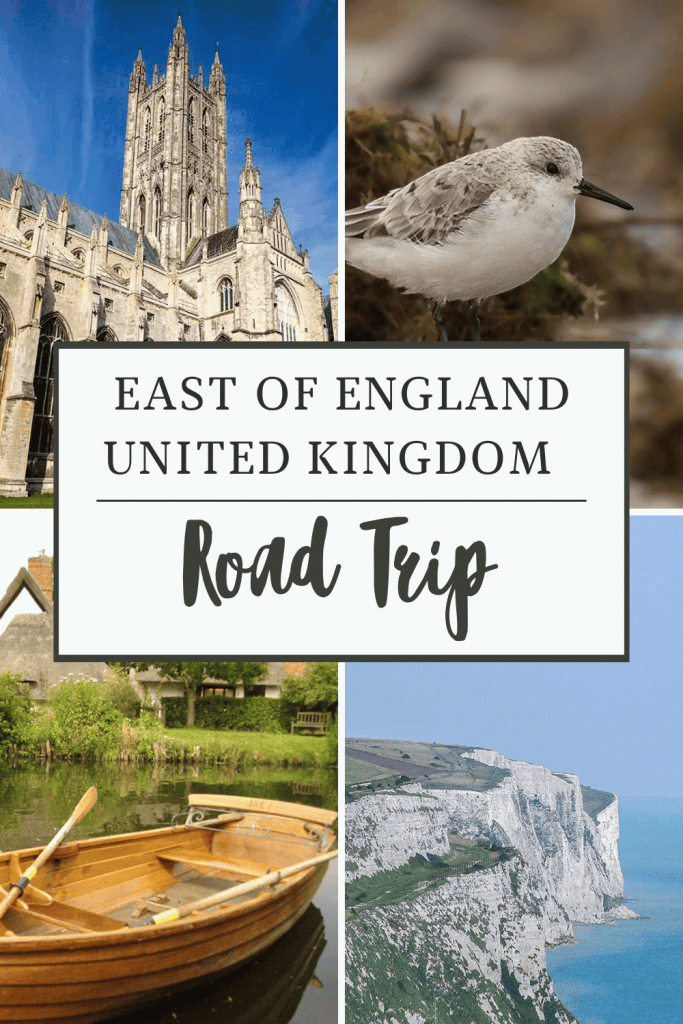
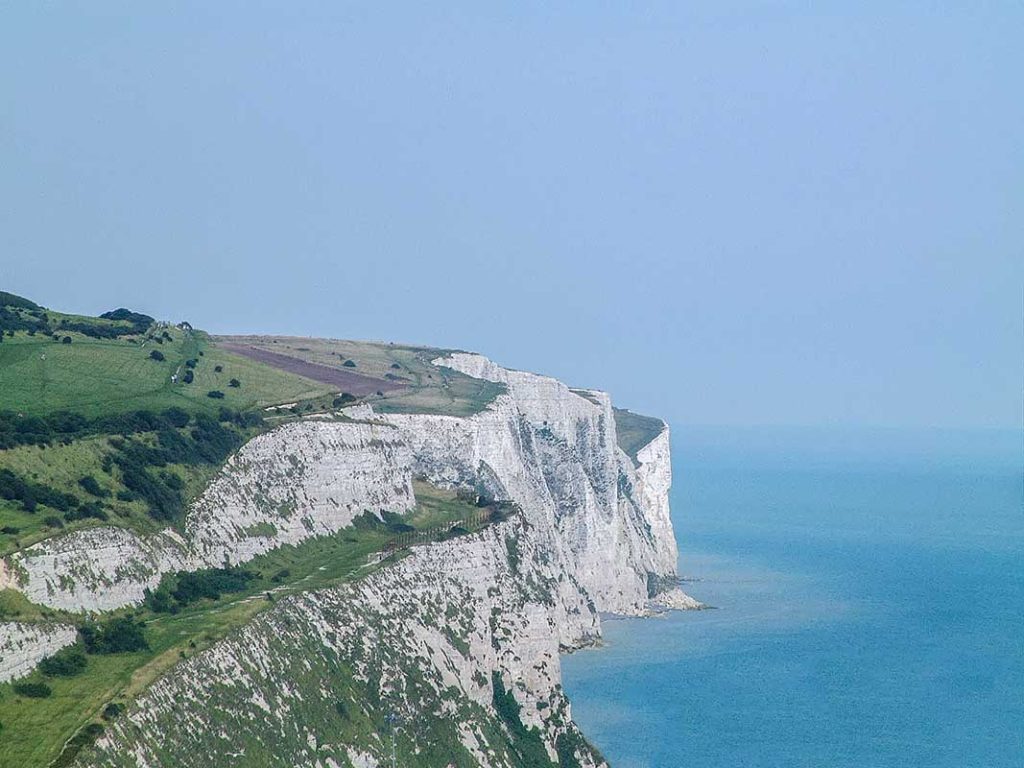
Dover is most famous for its white cliffs. These chalk ramparts have been the first thing returning Brits (and invading forces) have seen when they come to England by this route. The White Cliffs of Dover National Park is a great place to walk along the clifftops and blow those travel cobwebs away.
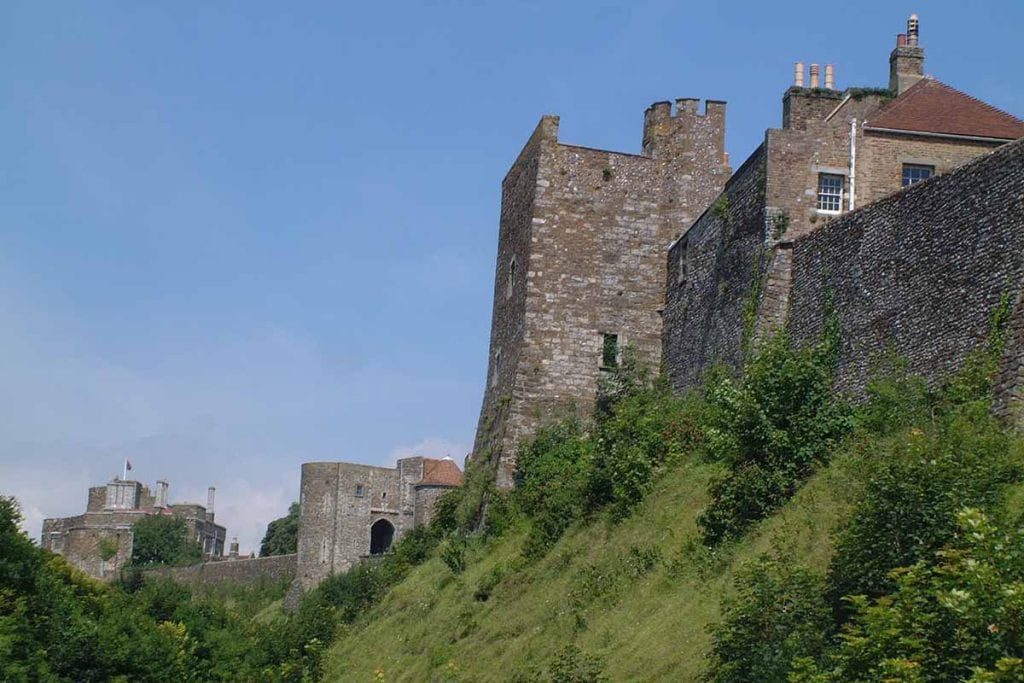
The next stop is Dover Castle. It has a 2000-year history, with a Roman lighthouse, a medieval tower, and the World War II command centre used in the Dunkirk evacuation.
During World War II, the Battle of Britain raged in the skies over Kent. If you have time, the Battle of Britain Memorial is a few miles away at Chapel-le-Ferne.
Tonight, try the White Horse for dinner. It’s the oldest pub in Dover, opening in 1365, and they have tasty homemade food.
Day 2 – Canterbury and Faversham
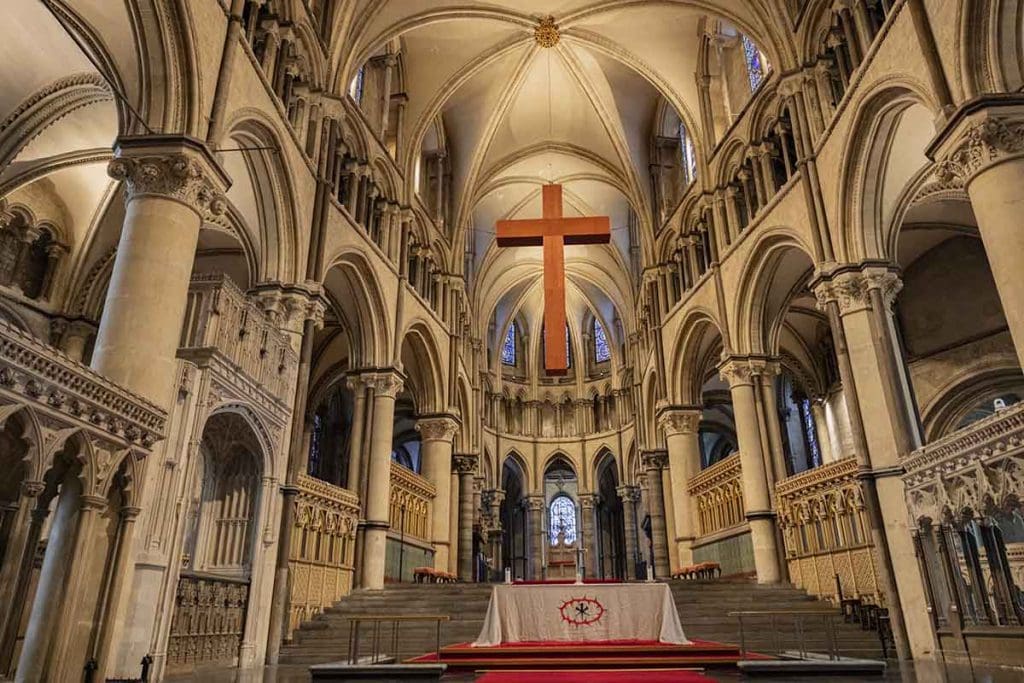
After Dover, our road trip through the United Kingdom’s East of England region takes us north through Kent. Look out for traditional Kent oast houses on the 30-minute drive north to Canterbury. Brewers used these buildings with their unique conical rooves for drying hops. We’ll sample the local brew a little later in the trip.
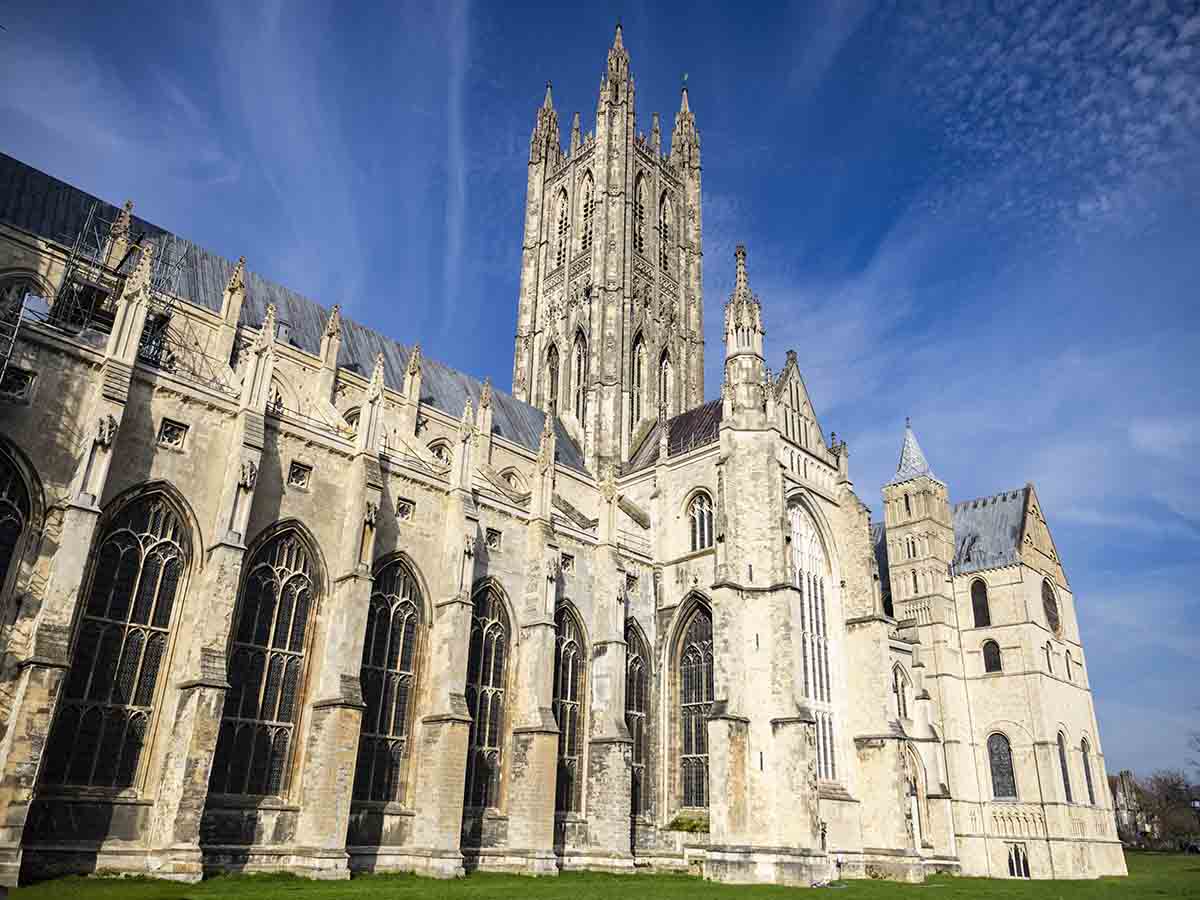
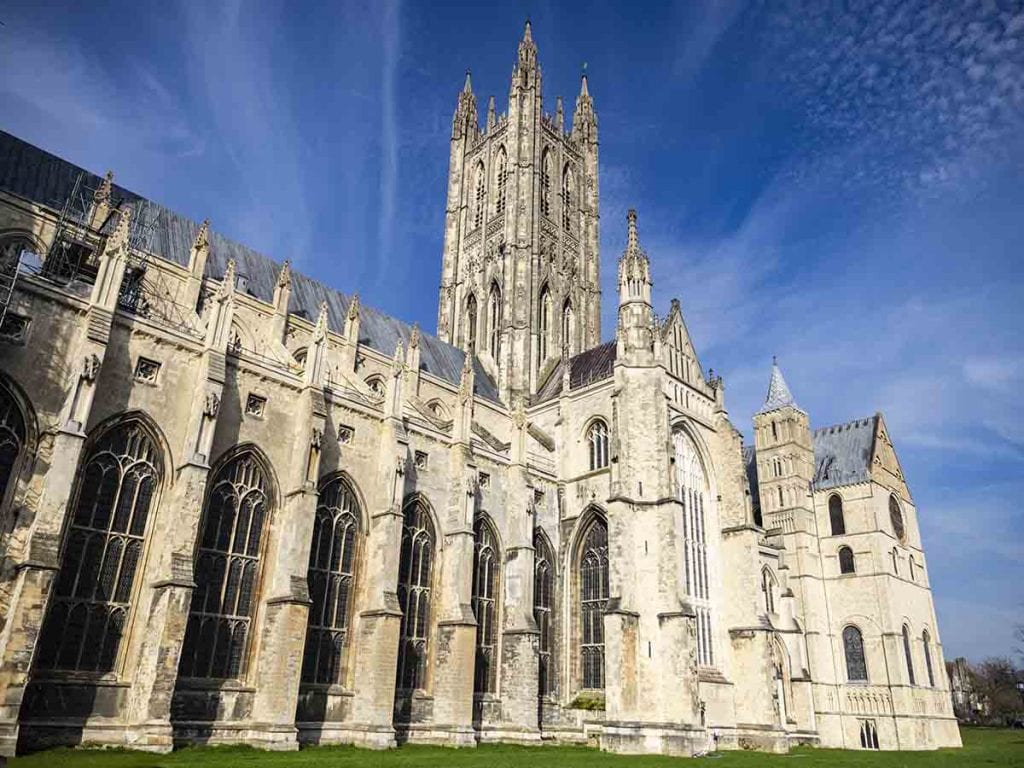
Canterbury is home to its famous cathedral and is the mother church of the Anglican faith. The cathedral is 1400 years old and became a major pilgrimage site when King Henry II’s knights murdered Archbishop Thomas Becket on its altar. It is also the subject of one of the oldest books in the English language, Chaucer’s Canterbury Tales.
Check the guided tours ahead of time. They are very good and often themed, so pick one that aligns with your interests.
Other sites of interest, time permitting, are St Augustine’s Abbey and the Canterbury Roman Museum.
After lunch, drive the 20 minutes to the next stop, the medieval market town of Faversham. Check into the hotel and leave the car there! I suggest the Sun Inn, a coaching inn dating back to the 14th century.
The oast houses and their place in Kent’s brewing tradition were a clue to the next activity. Faversham is home to the Shepherd Neame Brewery, the oldest, not just in the East of England, but in the entire United Kingdom. Their visitors’ centre offers a guided tour where you can learn all about the brewing process. There might be some product tasting to ensure quality control…
Day 3 – Leeds Castle and Chatham

A 30-minute drive this morning brings us to one of my favourite castles in England. Leeds Castle (named after the family, not the place) is one of the most beautiful castles in the country. It’s also often known as the Queen’s Castle, as six queens of England have called it home.
Again, this itinerary only allows half a day here, but you can easily spend a full day if you wish. Things to do, apart from seeing the interior, include a maze, a falconry centre and even a dog collar museum!
Golfers may want to consider a round on the 9-hole course on the grounds.
Should you wish to lay your head where royalty once slept, rooms are available at Leeds Castle. Book early though, they’re snapped up extremely quickly.
From Leeds Castle, head northwards again to the Chatham Historic Dockyard. Chatham is one of the best museums in the East of England, and probably the whole United Kingdom. Chatham Dockyard was a working naval dockyard for four centuries until its closure in 1984. Now, the 70-acre site tells the fascinating story of the history of Britain’s Royal Navy.
The museum has 3 warships and a submarine in drydock for exploration. Other highlights include the story of HMS Victory, Nelson’s flagship at Trafalgar, which was built here. Fans of the long-running TV series “Call the Midwife” might want to take the themed tour; they film the series here.
Pro tip – buy tickets online before visiting as they’re significantly cheaper.
From Chatham, head to historic Rochester for tonight’s hotel recommendation, The Royal Victoria and Bull. Queen Victoria stayed at this 400-year-old inn, and it’s mentioned in Charles Dickens’ novels, The Pickwick Papers and Great Expectations.
If you want to explore more of Kent, read on here.
Day 4 -Essex, Secret Underground Bunker and Maldon

Our tour of the East of England in the UK continues into another county this morning. Continuing north, we leave Kent behind and cross into Essex via the tunnels of the Dartford Crossing. Don’t forget to pay the £3.50 toll online. Pay before midnight the day after crossing to avoid a fine.
Leave the M25 at J28, and follow the signs to “The Secret Underground Bunker” at Kelvedon Hatch. On arrival, take the audio guide and descend into the depths of the bunker. They built the bunker during the Cold War as a headquarters of last resort. This would have been the centre of government in the event of a nuclear attack.
After a morning underground, some fresh air is called for. A 30-minute drive away, the lovely town of Maldon sits on the Blackwater River. Moored along the banks, lines of Thames barges sit.
These boats were the workhorses of water-based trade in the East of England. Their rust-coloured sails were a regular sight as they took goods around the coast to London. Today, they’re used to take tourists on a trip along the river. Various options are available, with lunch or drinks included on some voyages.
From Maldon, continue along the A12 to England’s oldest recorded town, Colchester. Tonight’s accommodation is the George Hotel. Although the hotel is ‘only’ 500 years old, the cellars date back to Roman times.
Day 5: Colchester and Dedham Vale

The Romans made Colchester their capital after invading the East of England and most of the United Kingdom in the first century. The city continued to be important through Norman times, too.
Colchester Castle has the largest Norman keep in the world because it was built over the Roman Temple of Jupiter. The temple was destroyed when Queen Boudicca raised the city to the ground in AD60. To this day, a layer of soil in Colchester shows signs of the city’s burning.
Apart from the Castle, things to look for in Colchester are the Balkerne Gate, an original Roman gate, still in use. The Jumbo Tower, a Victorian water tower (look for the peregrine falcons which nest on it). If you have more time, walk the city walls, visit the Roman Theatre museum, or go to the zoo!
Ask nicely at The George Hotel, and they may let you into the cellar. Look for the glass panel showing the “Boudicca Event Horizon”. This layer of ash is still visible from when the Iceni Queen’s army burned the city in revenge for their treatment of her family.
The next stop on this road trip through the East of England in the United Kingdom is Dedham Vale, one of the most beautiful spots in the southeast.
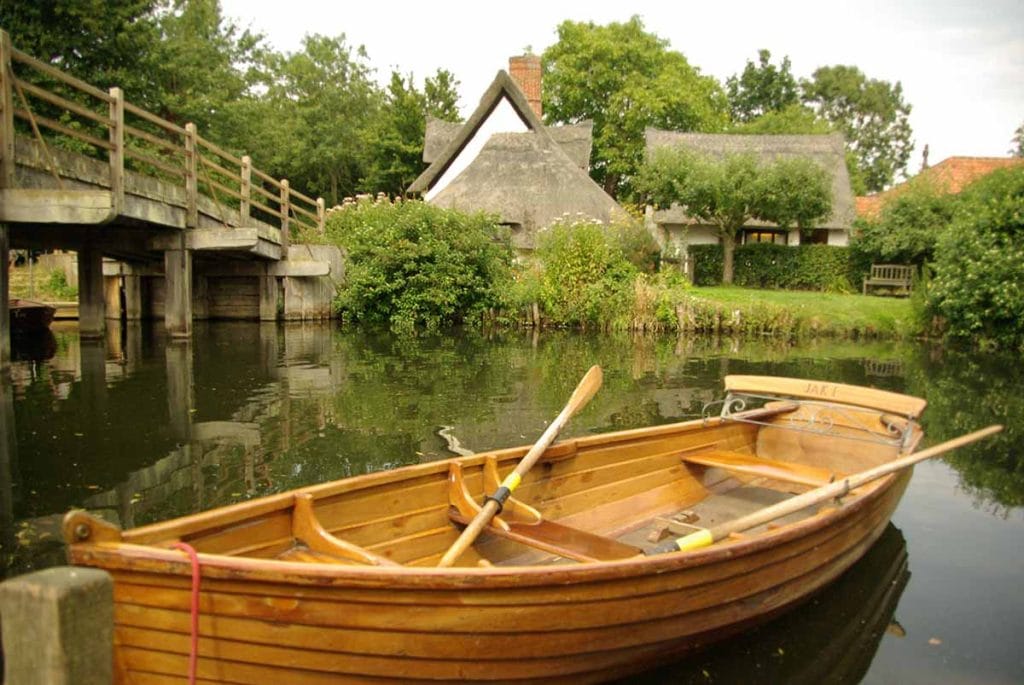
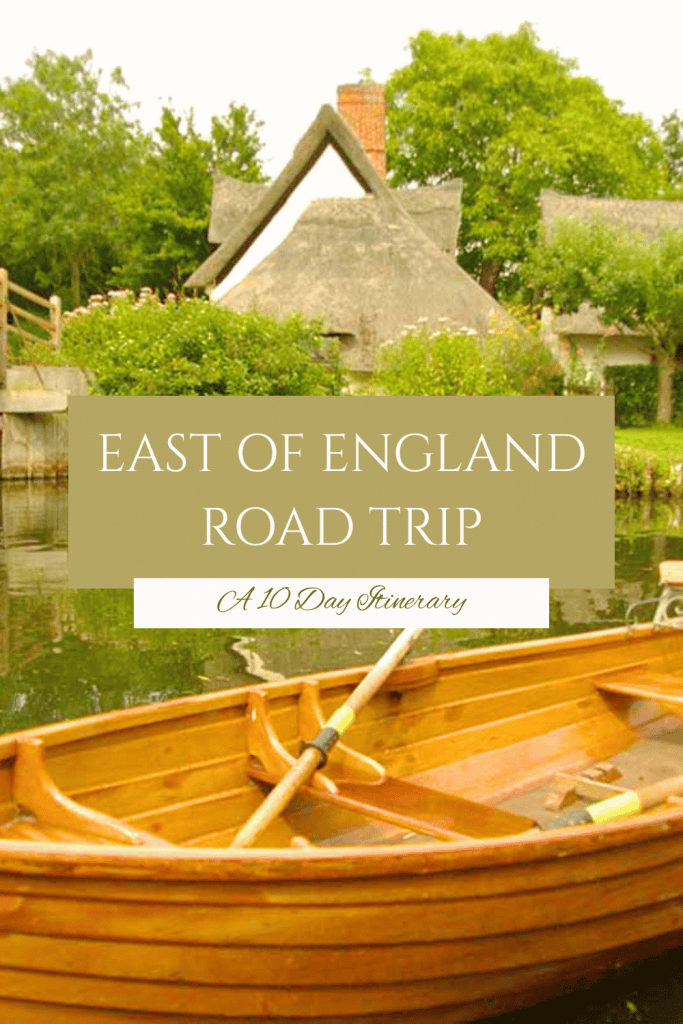
People know this area as Constable Country because England’s most famous landscape artist lived and painted here. Constable loved the area and immortalised the vale in his paintings. Take a stroll and see Willy Lott’s Cottage and Flatford Mill, subjects of the artist’s most famous works. Alternatively, take a rowing boat trip along the River Stour.
The recommended hotel is in Dedham itself, The Marlborough, a 15th-century timber-framed pub with rooms and home-cooked meals.
If you’ve got more time, take a deeper dive into Essex here.
Day 6: Lavenham and Sutton Hoo
Today, we cross the border into one of the flattest counties in England, Suffolk. Heading inland a little, our exploration of the United Kingdom’s East of England region takes us to the quaint medieval town of Lavenham.
This ridiculously picturesque town, with its colourful, lopsided Elizabethan houses, doubled for Godric’s Hollow in the first Harry Potter and the Deathly Hallows film. Be sure to see the Guildhall and Little Hall, as well as Shilling Grange, where the nursery rhyme “Twinkle Twinkle Little Star” was allegedly written.
Have lunch at The Nook, a cute little cafe that doubles as a bookstore.
From Lavenham, head back towards the coast and Saxmundham. An archeological dig at Sutton Hoo near here discovered the boat burial of a Saxon king. The rich hoard of grave goods buried with him is one of the greatest archaeological finds of all time. The iconic silver helmet discovered is in the British Museum, but a fine replica is at Sutton Hoo.
Hotel recommendation – The Bell, a Grade 2 listed building which once entertained George II. Eat at the restaurant, it’s exceptional.
Day 7 – Minsmere and Southwold
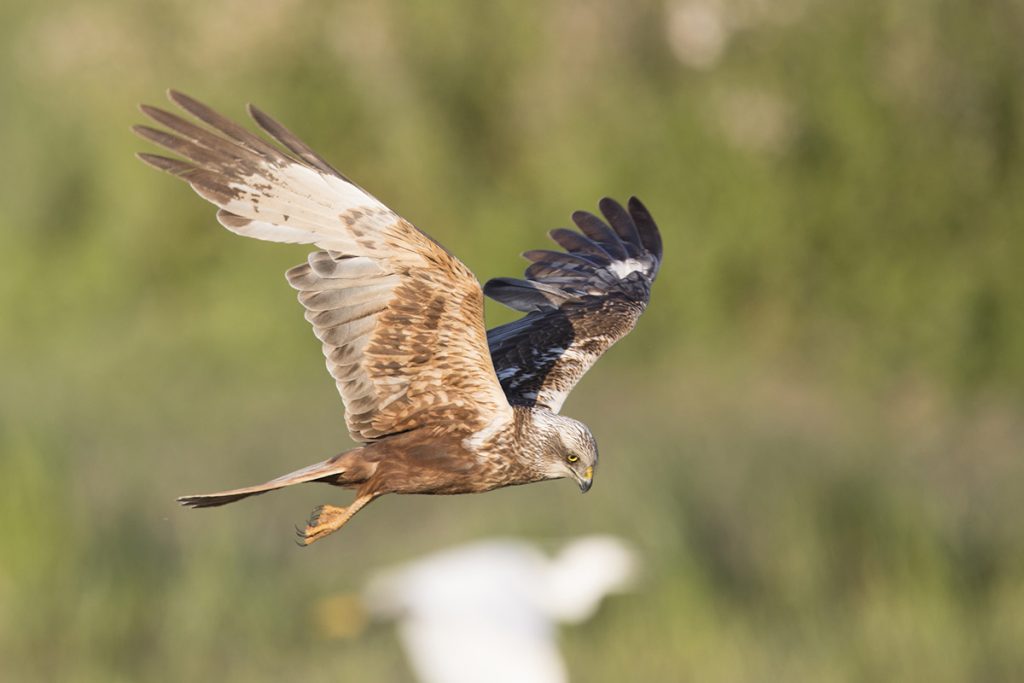
Start early and bring your binoculars (or hire them at the visitors’ centre). Today, we’re going to explore the Minsmere nature reserve. Minsmere is one of the RSPB’s flagship reserves and hosted the Springwatch programme for 3 years.
Minsmere’s diverse habitats and many hides allow visitors to get close to the bird species that live there. If you’re lucky, you’ll get to see rarities like bitterns, avocets, and marsh harriers. Venture a little further afield to Dunwich Heath to glimpse the threatened Dartford warbler.
Minsmere has an excellent cafe, so try lunch here before heading further north to Southwold.
Southwold is a quintessentially East of England seaside town. Think promenades with beach huts and fish and chips. It even has a pleasure pier.
Spend the afternoon walking along the shingle beach, taking in the sea air. The 31m lighthouse in town is a listed building but still works to guide ships along the east coast of England.
If you have a little more time, consider a baking class at the Next Loaf baking school, which teaches artisan baking techniques.
Hotel suggestion – The Crown at Southwold, a small hotel with a lot of charm.
Day 8 – Norfolk Broads and Norwich
Today, we enter Norfolk, our final county on this road trip around the East of England in the United Kingdom.
From Southwold drive north, skirting Norwich for now to Wroxham, the ‘capital’ of the Norfolk Broads. The Broads are a collection of manmade lakes and navigable rivers formed from centuries of peat digging in the flat landscape of Suffolk and Norfolk. Today, they’re a national park with over 125 miles of lock-free waterways perfect for boating.
In Wroxham, hire a boat for the morning or join a skippered vessel for a stress-free visit.
After a morning on the water, grab some lunch at The Water’s Edge restaurant before heading into Norfolk’s county town, Norwich.
Norwich is an ancient city with over 1000 years of history under its belt. Best of all, it’s very compact and walkable. Park the car at tonight’s hotel, The Maid’s Head Hotel, the oldest hotel in the UK. (It’s been recently refurbished, so it’s a fantastic mix of ancient and modern).
While strolling around Norfolk’s medieval streets, don’t miss:
- Norwich Cathedral – a spectacular 1000-year-old Norman cathedral
- Royal Arcade – Victorian shopping arcade
- Elm Hill – a street lined with Tudor houses
- Norwich Market – an outdoor market with stalls for everything
- Norwich Castle – medieval keep, museum and art gallery
Day 9 – Burnham Thorpe and Holkham
The Maid’s Head Hotel has several vintage Bentleys and offers tours for guests. Before leaving, why not take a trip around Norwich in one, guided by a liveried chauffeur.
After this, leave the coast for a little while and head northwest to Burnham Thorpe, the birthplace of one of Britain’s greatest heroes. Admiral Horatio Nelson was born and lived here. His father was rector at All Saints’ Church, and when it was refurbished in 1890, the Admiralty donated oak beams from Nelson’s flagship HMS Victory. The church has a bust of Nelson and the flags of two of his ships.
Have lunch at The Lord Nelson pub. It opened in 1635 as The Plough. After Nelson’s victory at the Battle of the Nile, they renamed it in his honour. They’ve kept the pub looking as it would have been in Nelson’s day. The pub has some interesting Nelson memorabilia, including a chair he sat on.
This afternoon, visit Holkham Hall, a beautiful country house. The current house dates from the 18th-century although the estate dates back to Elizabethan times. Tour the Palladian-style hall (March-October) or explore the grounds. Check the estate’s ‘What’s On’ page for interesting activities like pottery and willow weaving.
Tonight’s hotel is The Globe Inn in the delightfully named town of Wells-next-the-Sea.
Day 10 – Titchwell and Sandringham
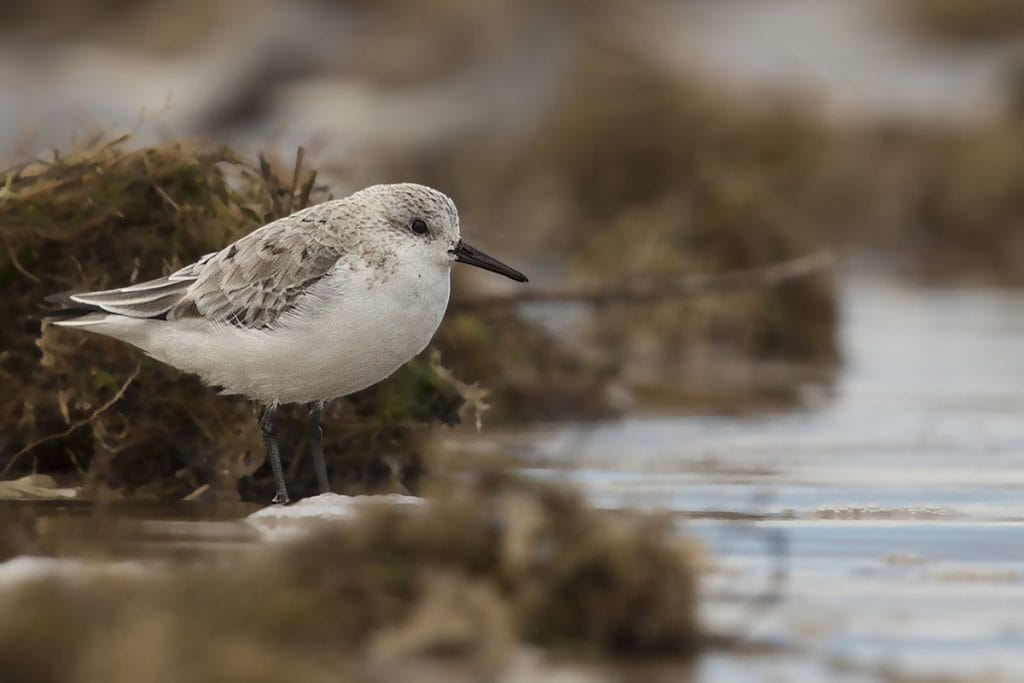
Our road trip through the East of England in the United Kingdom ends today, but we’re not done yet.
North Norfolk is one of the world’s top spots for birdwatching. Its position on The Wash means that migrating birds use it as a flyway. If your visit coincides with an autumn or winter high tide, head to RSPB Snettisham to witness ‘The Spectacular’. As the tide rushes in, thousands of waders, such as sanderlings, oystercatchers, and knots, wheel about in the sky above you as the rising water pushes them off the mud.
If you can’t catch this world-renowned display, try visiting one of my two favourite reserves, Cley (pronounced to rhyme with eye) or Titchwell. Both offer great wildlife watching to beginners and experts alike.
After lunch, Sandringham House is a great place to visit. Sandringham was the favourite home of the late Queen Elizabeth and is the country retreat of the current King and Queen. You may even get a glimpse of disgraced ex-royal Andrew Mountbatten-Windsor, who lives here now.
Despite being regularly visited by the royal family, the estate is open to the public all year round, and the house itself between April and October.
After touring the house and gardens, why not finish the road trip with high tea in a royal residence!
Returning the Hire Car
I suggested returning the hire car in nearby King’s Lynn because of its transport links. Trains will take you back to London’s King’s Cross station in less than two hours and to Stansted Airport in 90 minutes.
Best Time to Visit the East of England in the United Kingdom
The English love to talk about the weather, and the reason is there’s so much of it! You can take this tour in the winter, but the summer months are best. The weather is much more likely to be kind, and some attractions mentioned close seasonally.
Like this post on roadtripping the east of England?
Pin to save it for later!