
Italy With Kids
Italy was the destination that made me realise travelling with a baby was not only possible, it could be genuinely brilliant. We visited when my eldest was just ten months old, spending time in the heel of Italy’s boot in Puglia before heading north to Rome as part of a longer trip that also included Switzerland and Malta. It was ambitious, occasionally chaotic, and one of the best trips we have ever taken.
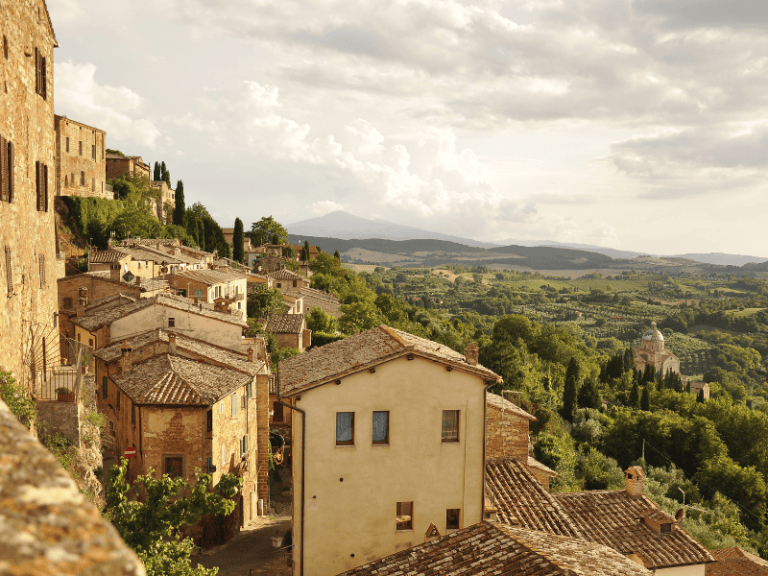
Italy is a country that is made for families. Italians are famously besotted with children, the food is almost universally loved by kids, and the combination of history, beauty and sheer sensory richness makes it one of those destinations that rewards visitors at every age.
The cobblestones are a pram workout, the gelato stops are non-negotiable, and the locals will almost certainly try to hold your baby at some point. In the best possible way.
Our Italy content covers two very different parts of the country, both equally worth your time.
Rome and the Vatican with kids
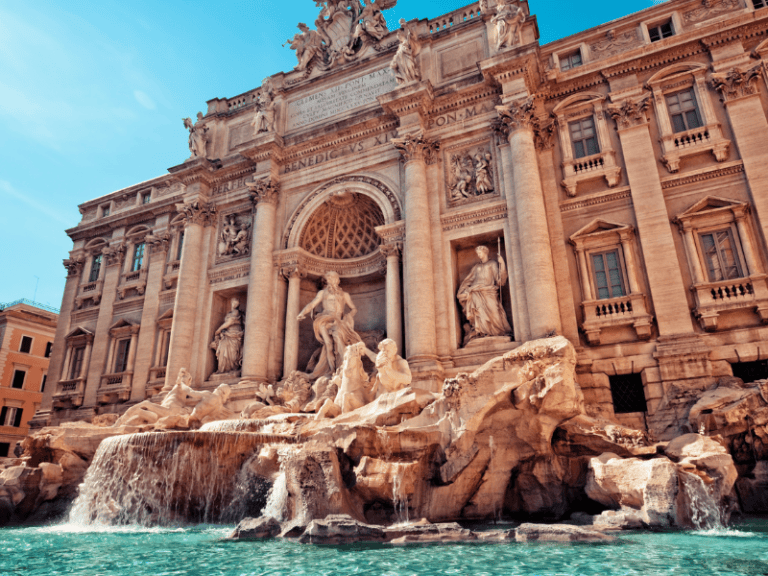
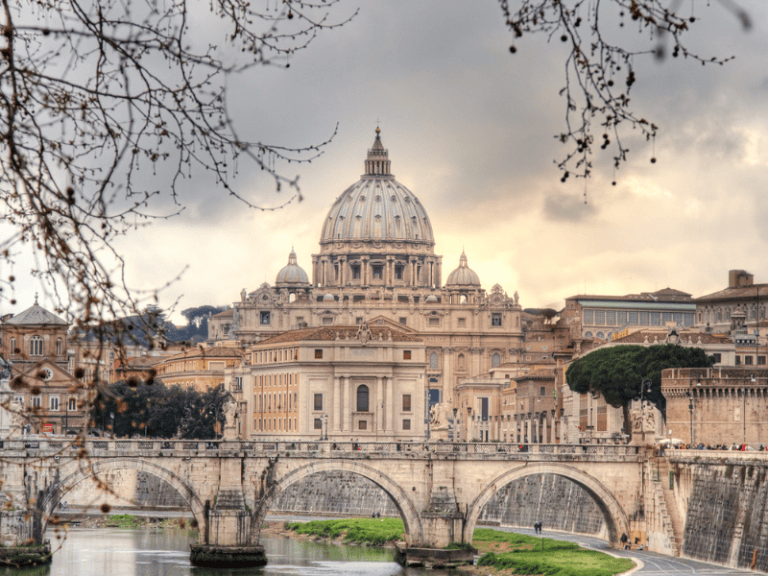
Rome with a baby or young child is more manageable than you might expect. Italians are wonderfully accommodating to families, and at major attractions like the Vatican, having a baby often means skipping the queue entirely.
My guides to Rome and the Vatican with kids cover what to pack, where to stay, what to prioritise and how to pace the days when you have a little one in tow.
Puglia with kids
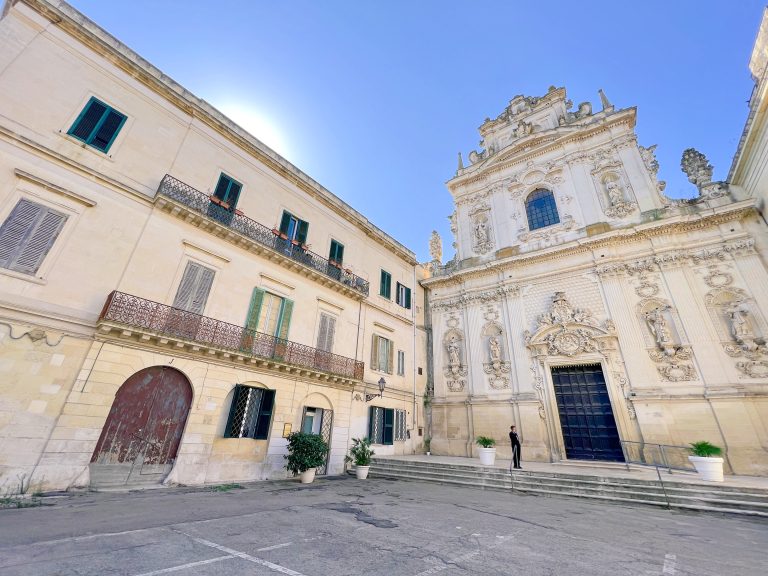
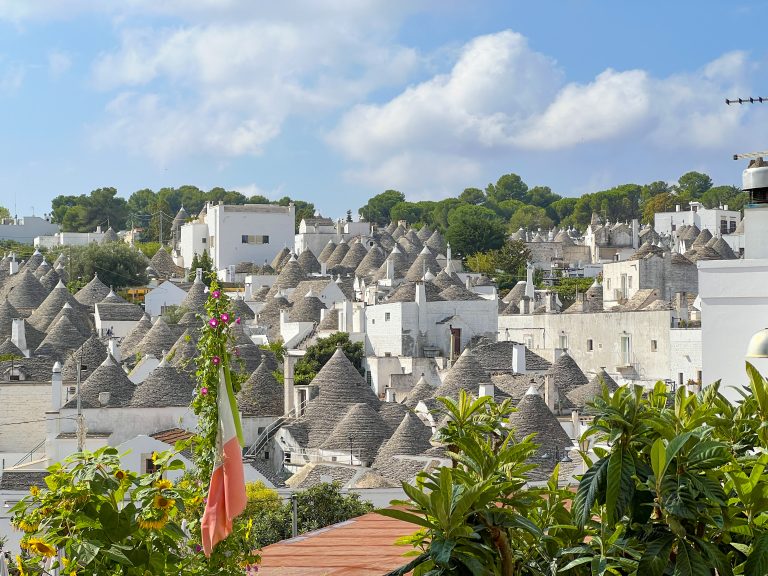
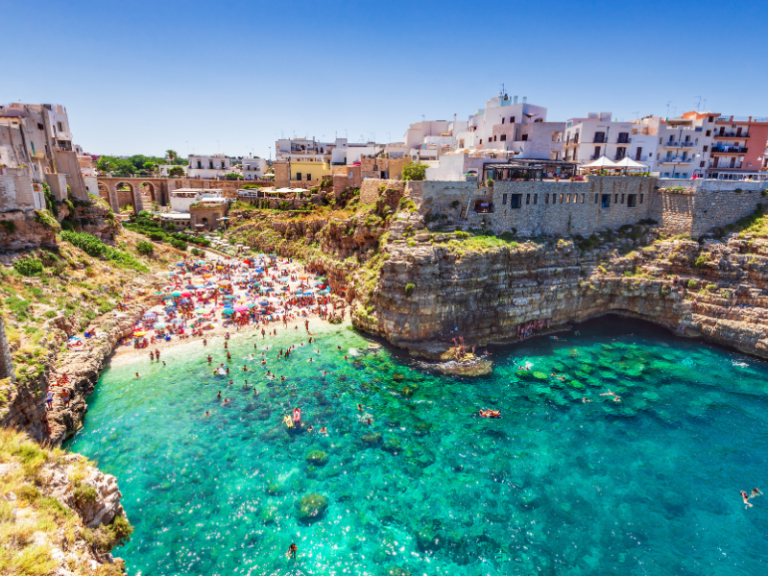
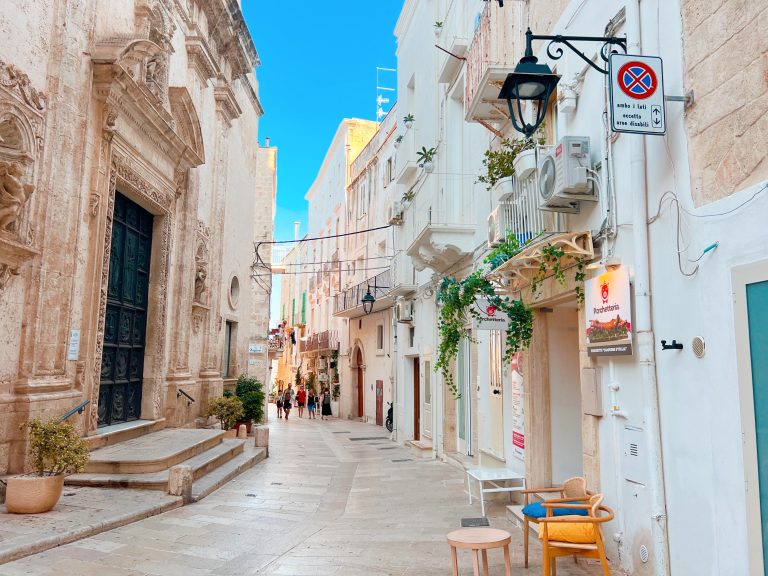
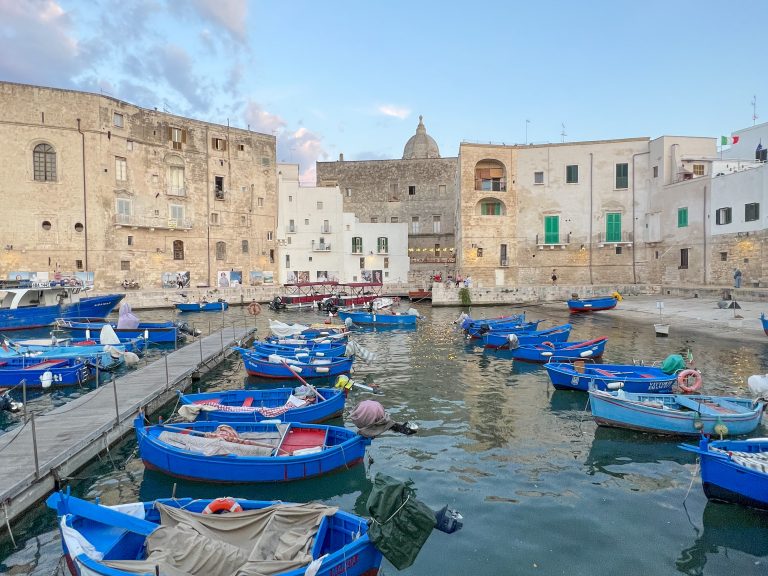
Puglia is the part of Italy that most families overlook, and it is genuinely one of the most beautiful and family-friendly regions in the country. Whitewashed towns like Monopoli and Ostuni perched above turquoise water, trulli houses in Alberobello, the charming streets of Lecce and the cliff-top magic of Polignano a Mare.
It is slower, quieter and considerably less crowded than the north, which makes it a brilliant choice when you are travelling with young kids and need the pace to work in your favour.
Practical Italy: what to know before you go with kids
Getting around with a pram
Italy is beautiful but partially inaccessible with a pram, and it is worth knowing that before you arrive. Rome’s cobblestones are relentless, many metro stations don’t have lifts, and the historic centres of towns like Lecce and Alberobello are pedestrianised and uneven underfoot.
A lightweight, sturdy stroller is essential and a carrier is a genuinely useful backup for the moments when the pram simply can’t go where you need it to. We used both constantly.
Where to stay with a baby or young child
My strong recommendation for Italy with a baby is an aparthotel over a standard hotel room. The ability to do a load of washing mid-trip when you have a ten-month-old generating an extraordinary volume of dirty laundry is not a luxury, it is a necessity. A kitchen or kitchenette also means you can prepare simple meals or warm bottles without being dependent on restaurant timing. If an aparthotel isn’t available, look for hotel suites with a separate living area so you have somewhere to decompress after the kids go down for the night.
Baby change facilities
Baby change facilities in Italy are not as reliably available as they are in Australia. Most restaurants won’t have them, and smaller cafes rarely do. Larger shopping centres and department stores are your best bet, as are some motorway service stations if you’re driving between cities. Bring a portable change mat and get comfortable using it creatively.
Baby supplies
The green cross pharmacy sign, or farmacia, becomes your best friend in Italy. Pharmacies are everywhere, easy to spot and well stocked with nappies, formula and baby food. Supermarkets carry the basics but if you need a specific brand or product, head to a farmacia first.
Breastfeeding in Italy
Italians are generally relaxed and welcoming about breastfeeding. Cafes and restaurants are usually accommodating if you need a quiet corner, and nobody batted an eyelid when I nursed in public. It is not as openly normalised as it is in Australia but it is far from unusual, and I never felt uncomfortable.
Feeding kids in Italy
Italy is one of the easiest countries in the world for feeding children, which is one of the many reasons I love it as a family destination. Pizza, pasta and gelato will get most kids through the entire trip without complaint. High chairs are widely available in restaurants, and portion sizes are generous. The one adjustment worth noting is that Italians eat later than Australians are used to, with dinner rarely starting before 7.30pm. With young kids, it can be worth eating at hotel restaurants on tougher nights or having a bigger lunch to bridge the gap.
When to visit Italy with kids
Spring (April to June) and early autumn (September to October) are the sweet spots for visiting Italy with young children. The heat in Puglia in particular becomes genuinely gruelling in July and August, and the crowds at major attractions like the Vatican and Colosseum peak at the same time. Visiting outside of peak summer makes everything easier: cooler temperatures, shorter queues and a generally more relaxed atmosphere.